Sustainable eldercare in the Nordic region: Educate, recruit and retain
How can the Nordic region ensure sustainable eldercare amid growing demographic and staffing challenges? On 3 April the Nordic Welfare Centre gathered experts from across the Nordic region at a seminar in Nordens hus, Copenhagen and online. Participants represented ministries, health and social authorities, trade unions, municipalities, research and senior citizens across the Nordic region. The discussions focused on how to ensure sustainable eldercare considering demographic developments and workforce challenges, with attention to education, recruitment and retention.
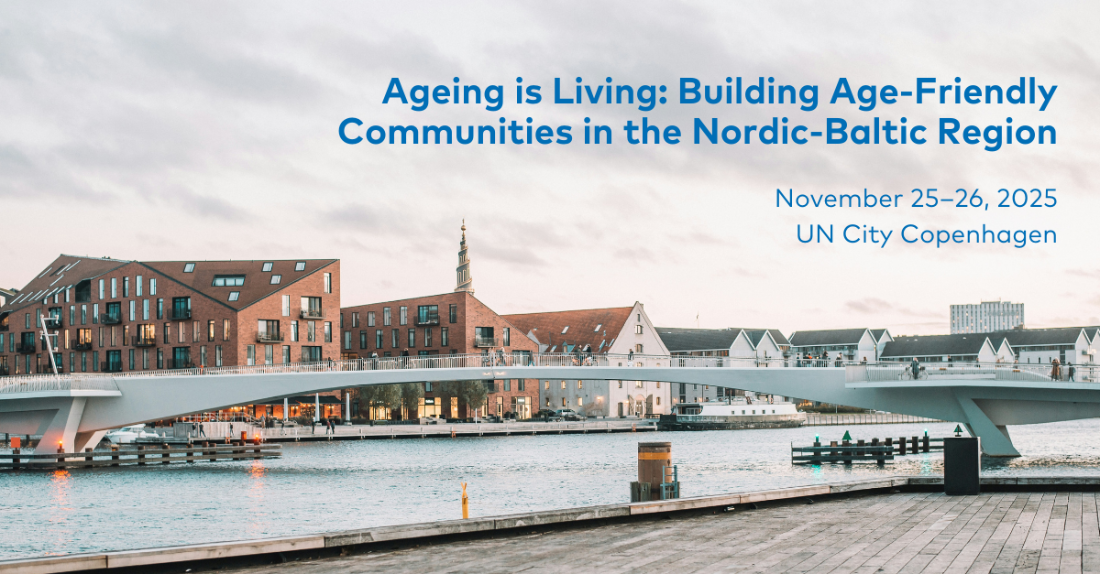
In collaboration with WHO Regional Office Europe and the Centre for an Age-friendly Norway, the Nordic Welfare Centre invites you to a two-day conference in Copenhagen. The conference will present insights and practices on developing and sustaining age-friendly communities in the Nordic-Baltic region.
Main themes include:
strengthening social connectedness and reducing loneliness
building age-friendly environments through planning and housing
co-creation in age-friendly communities
the impact of age-friendly environments and communities
This event presents an excellent opportunity for authorities, regions, municipalities, organizations, and researchers across the region to exchange knowledge, foster collaboration, and further strengthen efforts toward building inclusive, age-friendly communities.
Nordic Welfare Forum 2025: Nordic trust in a changing world
The Nordic Welfare Forum 2025 takes place in Helsinki, Finland on 10 September. The aim is to discuss how to maintain and increase trust in the Nordic welfare model, despite the challenges from a changing world.
The trust in the Nordic welfare model is under pressure. Autocratization is on the rise and interpersonal trust is affected by polarizing gaps in wealth, values and beliefs. The development of the war in Ukraine is adding uncertainty on security in Europe, demanding public resources in the Nordics in a higher extent to be used in military defence. Meanwhile the birthrate has declined, the population grows older and the threat from environmental crises due to climate change has become more evident. At the Nordic Welfare Forum, these challenges and possible solutions will be discussed.
Conference report: Preventing dementia in the Nordics
Dementia may not have a cure, but prevention is possible. Our conference in Stockholm in September brought together experts from across the Nordic countries to discuss ways to promote brain health and prevent dementia. While there's no cure for dementia yet, taking preventive measures throughout life can make a difference.
Did you miss the event? Our report highlights the most important takeaways from the conference.
Alderisme defineres
af Verdenssundhedsorganisationen som stereotypier, fordomme og diskriminering baseret på alder. Alderisme har alvorlige konsekvenser for det enkelte menneskes sundhed og trivsel, såvel som økonomiske konsekvenser på samfundsniveau. WHO Ageism Scale er udviklet til at måle erfaringer med
alderisme hos individer samt den alderisme, der udvises over for ældre personer.
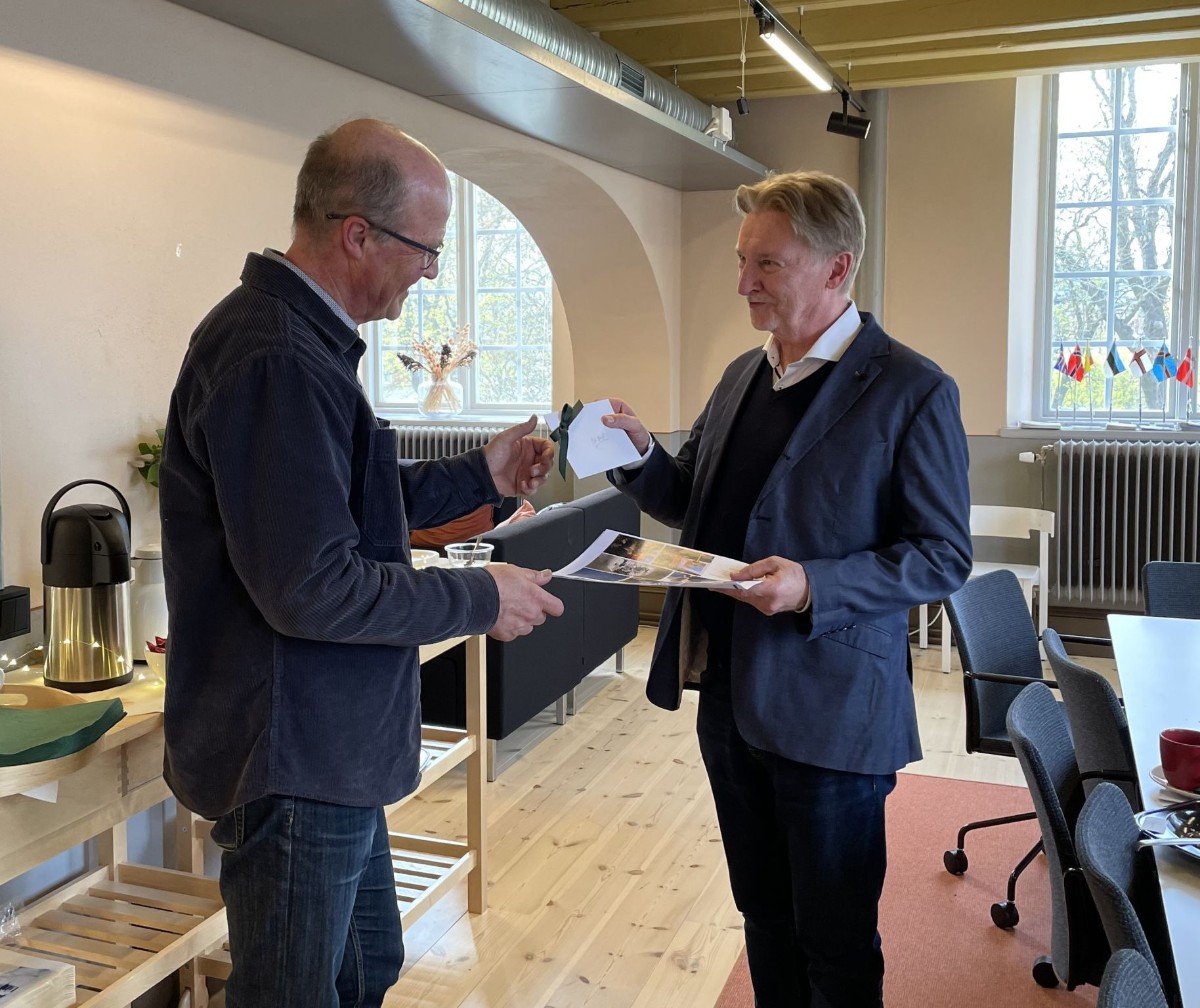
Efter syv år går Bengt Andersson videre til nye udfordringer inden for e-sundhed og digitale løsninger.
Bengt har ledet store projekter inden for velfærdsteknologi og arbejdet med at udvikle det nordiske samarbejde på området, blandt andet projektet Integreret pleje og omsorg over afstand. Projektet har haft fokus på, hvordan social service, primærpleje og specialpleje i de nordiske lande kan koordineres ved hjælp af distanceløsninger.
En stor tak til Bengt for hans bidrag til det nordiske samarbejde!
Norden ska vara världens mest hållbara och integrerade region år 2030. Nordens välfärdscenter bidrar framför allt till målet om ett socialt hållbart Norden. Läs mer om arbetet i Nordiska ministerrådets Vision 2030.