New report on children and youth at risk of poverty in the Nordics
|
| | |
| Update on child and youth policy and practice 2/2026 | | | | | | | |
The Nordic countries are not protected from the risks of child poverty
|
In February, the report Children
and youth at risk of poverty: Nordic approaches to social mobility and
remaining challenges was launched, focusing on children growing up in
low-income families. The report describes how across Denmark, Finland, Iceland,
Norway, and Sweden, a growing number of children are living in families in
relative poverty and facing financial strain – conditions that limit everyday
participation and heighten vulnerability. Nordic data show clear differences
between countries: Norway and Sweden have seen notable increases in the share
of children growing up in low-income households, while trends in Denmark and
Finland have remained comparatively stable. |
| | |
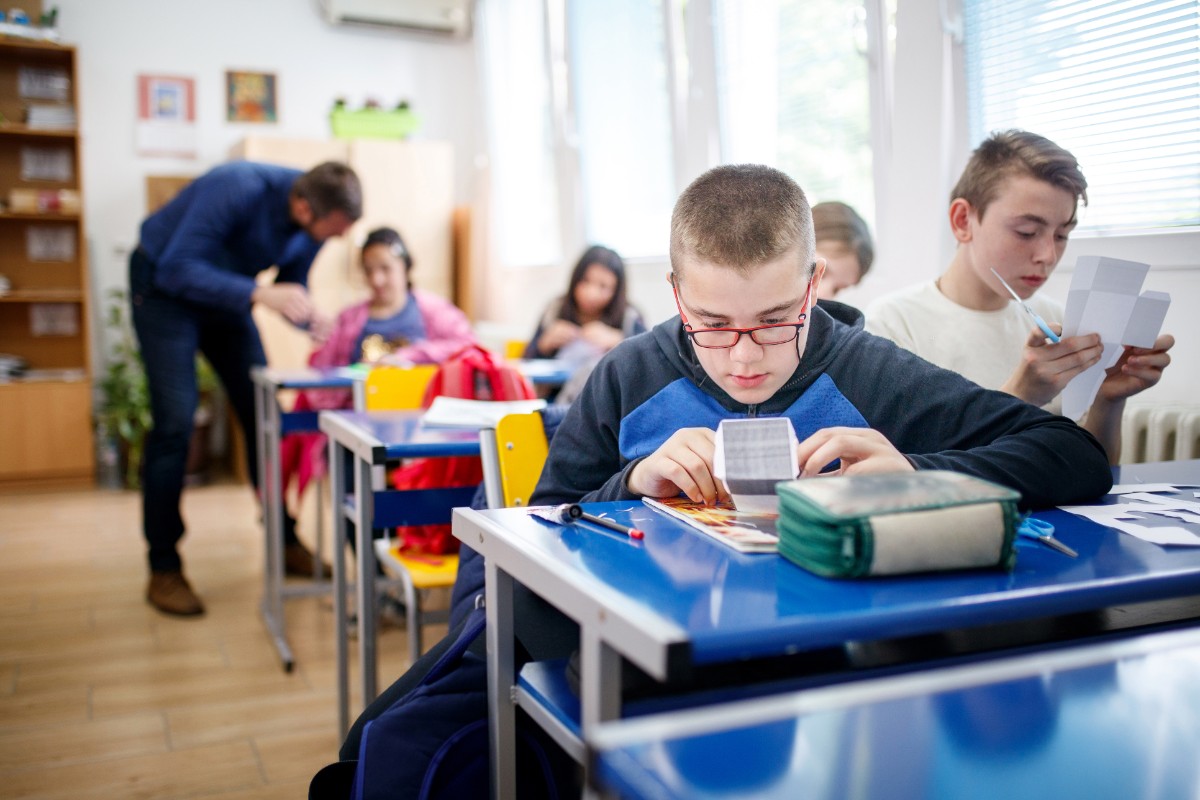
New project on inclusive education for children and young people with disabilities in the Nordic region
| All children and young people have the right to an
inclusive education. Despite this, in their reviews of the Nordic countries,
the UN Committee on the Rights of the Child and the UN Committee on the Rights
of Persons with Disabilities have expressed concern that children with
disabilities are not having their right to an inclusive education fulfilled.
A new project at the Nordic Welfare Centre aims to
increase information, knowledge and the exchange of experiences among the
Nordic countries regarding the provision of inclusive education for children
and young people with disabilities. The project will develop recommendations
for the strengthening of inclusive education for children and young people with
disabilities in the Nordic region. | | | | |
Updates from the Nordic network about the child’s first 1000 days – a healthy start in life
| | |
New report and webinar: Nordic report highlights gaps and opportunities in early family support
| On 11 May, the network launches the report The First 1
000 Days in the Nordics: Identifying Gaps and Needs to Strengthen Psychosocial
Wellbeing during a live broadcast webinar. The event provides decision-makers,
officials and practitioners with an opportunity to gain an up-to-date overview
of the challenges and opportunities facing the Nordic countries.
The report brings together current research, expert
insights and proven interventions to strengthen psychosocial support for
families from pregnancy to the child is two years old. It highlights key support needs and effective
methods of addressing them, while also identifying gaps in interventions and
information, and areas for development. Finally, it provides insights into how
each of the Nordic countries can adapt the findings to its own context and
outlines possibilities for collaboration at a Nordic level. | | | | |
Early intervention in child health clinics – key learnings for the entire Nordic region
| A new report from the Norwegian Ombudsman for Children
(Barneombudet) has mapped the work of child health clinics and the crucial role
they play in safeguarding the care and welfare of children aged 0–5. Many of
the challenges identified are also clearly recognisable in other Nordic
countries.
Child health clinics often detect early signs of
vulnerability in children and parents, but many families do not receive the
support they need because of lack of time, capacity and co-operation between
different service providers. Home visits during the child’s first week of life
– one of the most effective measures for identifying needs – are not always
carried out, and there is a lack of clear routines for how the service should
follow up when families decline or fail to attend visits. In addition, co-operation
with other key support services, such as Educational and Psychological
Counselling Services (PPT), Child and Adolescent Psychiatry (BUP) and the
Norwegian Labour and Welfare Administration (NAV), is not functioning well enough.
As a result, children and parents do not always receive the assistance they
require.
The report highlights significant potential in the
work of child health clinics, but also clear gaps that may have consequences
for the children most in need of early support. The insights are highly
relevant for Nordic municipalities seeking to strengthen preventative work in
the early childhood years.
| | | | |
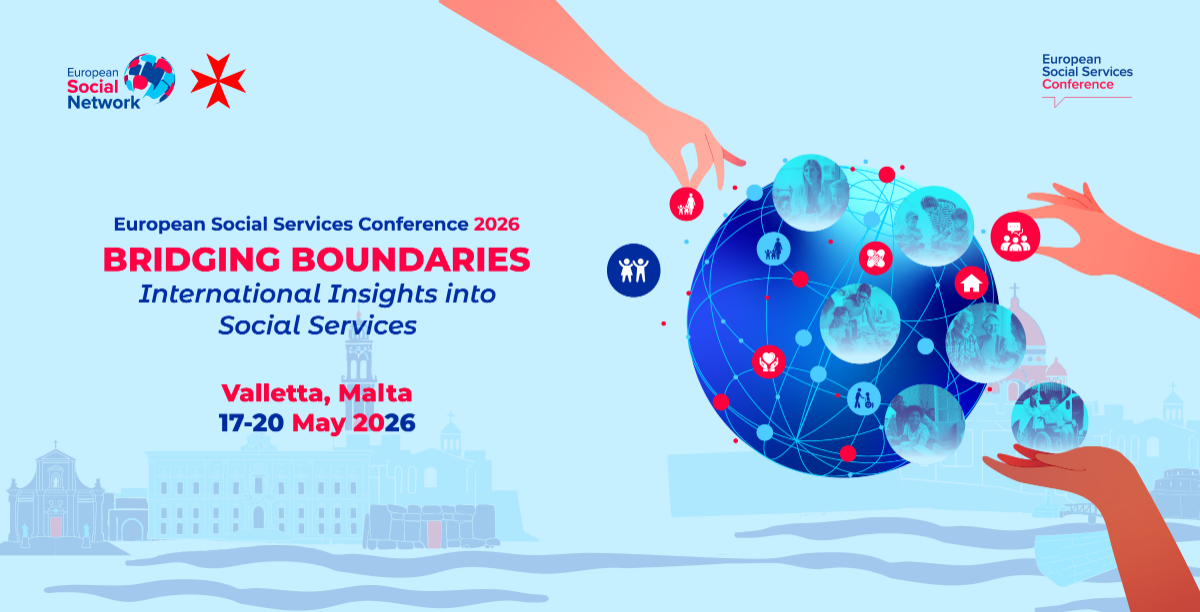
Nordic Welfare Centre at European Social Services Conference on 17–20 May
| The Nordic
Welfare Centre has co-operated with and has been a member of the European
Social Network for several years. As a longstanding tradition the Nordic
Welfare Centre hosts the event Nordic Day back-to-back with the European Social
Services annual conference (ESSC). Each year, the Nordic Day highlights a new
theme, guided by our ambition to share Nordic knowledge, foster dialog and
learn from the experience of others across Europe. This year our focus will be
on children growing up in low-income families. We will also have a stand in the
exhibition area where a wider range of our areas of operations will be on display. | | | | |
Did you get this newsletter forwarded to you? Subscribe here!
| This
newsletter is published about six times a year, mainly in English, with
occasional Scandinavian articles. It contains the latest news about our
network, projects and publications, and information about coming events in the
field of child and youth policy and practice in the Nordic region.
| | | | | | | |
Norden ska vara världens mest hållbara och integrerade region år 2030. Nordens välfärdscenter bidrar framför allt till målet om ett socialt hållbart Norden. Läs mer om arbetet i Nordiska ministerrådets Vision 2030.
|
| | |
|
|