New report from OECD: Integration is slow and uneven, but the Nordics have reasons for optimism
As the public debate on integration in the Nordics turns increasingly pessimistic, the data points to a more nuanced picture. Recent OECD figures indicate that the Nordics outperform the average European country
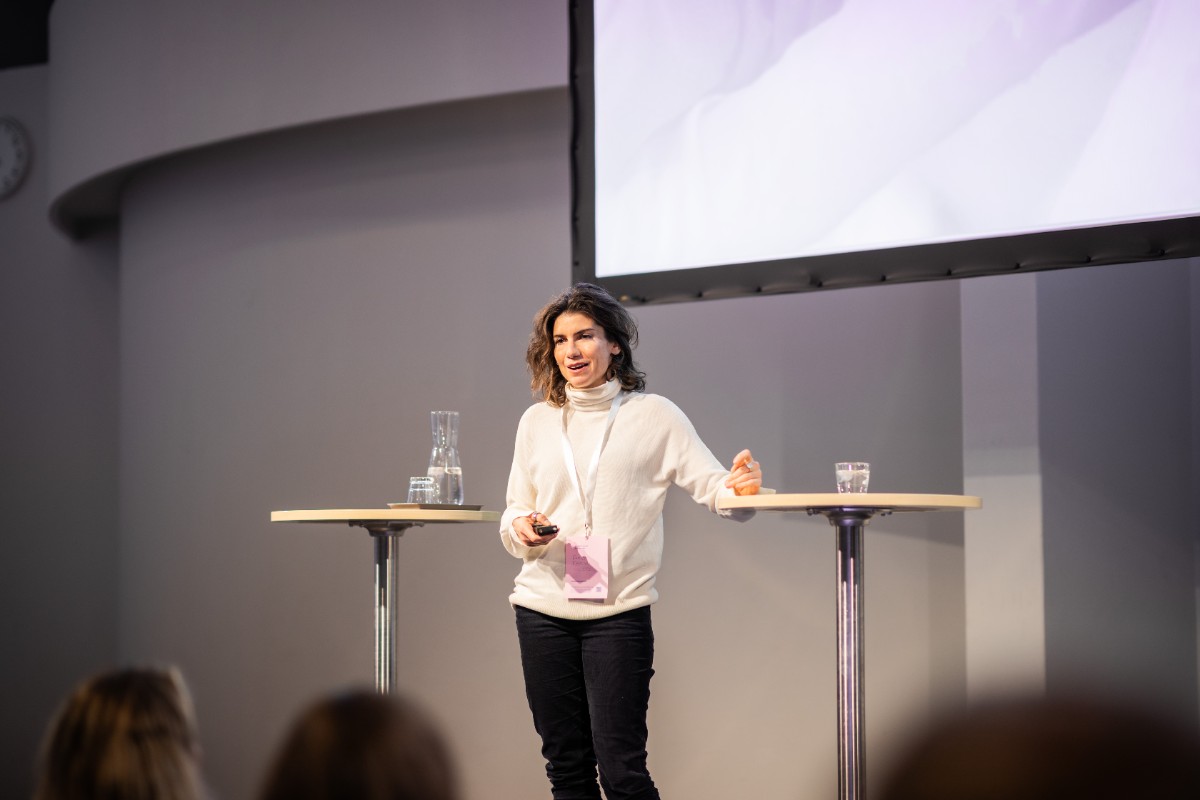
when it comes to successful integration outcomes. The OECD report was presented at our conference
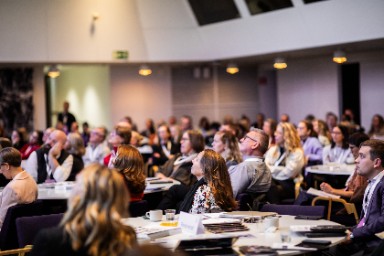
“How is the second generation doing? Promoting integration of migrants and their families in the Nordic countries”
i Helsinki November 2025, by
Senior Economist Emily Farchy at the OECD.
Emily Farchy observed that among young migrants and children of immigrant parents, the proportion who are not in employment, formal education or training (NEET) is relatively small in the Nordic countries compared with international averages.
WEBINAR: How are children and young people in the Nordic region faring when their families live with persistently low income?
Join us for the launch of the Nordic status report Children and youth in families with persistent low income, organised by the Nordic Welfare Centre.
18 Feb 2026 at 12:30 - 15:30 CET (UTC+1)
Jassin Rezai: Integration must allow room for full identities – society belongs to everyone
The Nordic Migrant Expert Forum 2025–2027 has recently presented 14 targeted recommendations to enhance migrant integration across the Nordic countries within four key areas: framing and foundation, structural domains, social and relational domains, and transformative practice.
Jassin Rezai is one of Finland’s two representatives in the Expert Forum.
Acoording to Rezai, many young immigrants feel pressured to conceal aspects of their identity. He believes recognizing and embracing full identities benefits both individuals and society alike.
New report from Nordregio: Descendants of migrants are advancing in the Nordic labour market – but inequalities remain
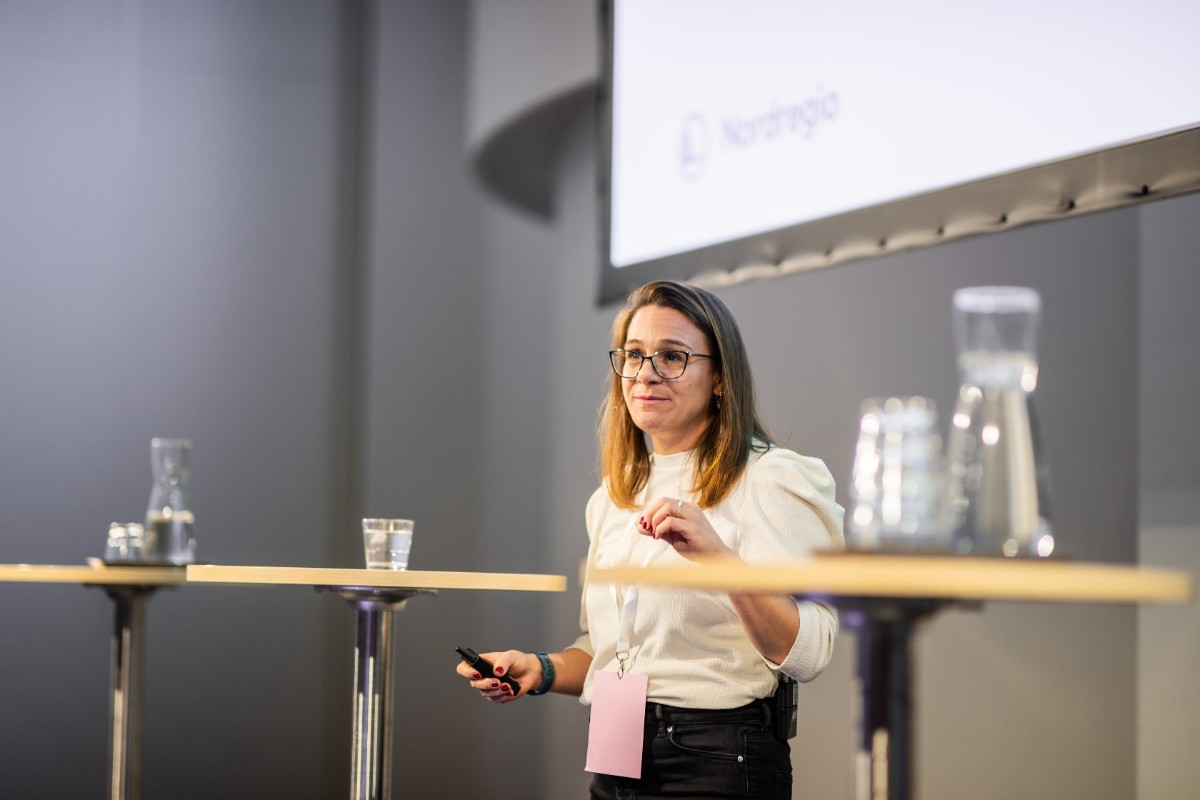
As descendants of immigrants become a growing presence in Nordic labour market, new research from senior research fellow Debora Birgier at Nordregio shows a clear picture: their outcomes in the Nordic labour markets are improving, but disadvantages remain.
This scoping literature review examines the labour market integration of migrants’ descendants across Nordic welfare state contexts. Despite the region’s comprehensive welfare infrastructure and documented patterns of intergenerational socioeconomic mobility, substantial structural disadvantages persist in this population’s attainment of economic parity with peers of native parentage. Drawing upon multidisciplinary scholarship published since 2010, this review synthesises empirical evidence concerning employment outcomes, human capital utilisation and the institutional and social mechanisms underlying persistent labour market inequalities.
WEBINAR: Preventing honour-related violence and oppression in the Nordic countries
At the webinar we will present key results from a new study that reviews the policies and legislations in the Nordic countries. We will explore the transition from policy to practice and highlight successful work across the Nordic countries.
The webinar is organised by Nordic information on gender (NIKK) and the Nordic Welfare Centre.
24 March 2026 at 13:00 - 14:30 CET (UTC+1)
A Finnish integration reform for adults boosted their children’s grades and earnings decades later
Taking a second look at an old immigration reform can reveal its long-term, intergenerational effects. When Finland introduced mandatory, personalised labour market programmes for newly arrived immigrants in the late 1990s, the aim was to improve adults’ integration. Today, almost 30 years later, the reform’s influence can also be seen in the lives and educational choices of their children.
As a speaker at the conference “How is the second generation doing? Promoting integration of migrants and their families in the Nordic countries,” organised by Nordic Welfare Centre together with the Nordic Council of Ministers and the Ministry of Economic Affairs and Employment in Finland in Helsinki November 2025, Pesola presented new findings on the long-term effects of Finland’s 1999 Act on the Integration of Immigrants and Reception of Asylum Seekers.
Community initiative Baba rebuilds trust with fathers
Fathers with an immigrant background can experience distance and distrust in relation to institutions such as schools, nurseries and municipal services, and often lack spaces where fatherhood can be discussed. In Denmark, the community initiative Baba works to strengthen fathers’ confidence in their role and build cooperation between fathers and the professionals who work with children.
Rapport från Fafo: Finns det parallellsamhällen i Skandinavien?
På uppdrag av IMDi (Integrerings- og mangfoldsdirektoratet, Norge) har forskningsstiftelsen Fafo gjort en kunskapsgenomgång om parallellsamhällen, utsatta områden och bostadssegregation i Skandinavien. Genomgången bygger på 89 forskningsbidrag från Norge, Sverige och Danmark. Rapporten pekar ut tre huvudspår för att bryta segregationen: områdesbaserade insatser, satsningar för barn och unga samt brottsförebyggande åtgärder.
Stay updated and subscribe to our newsletter. The main categories in the newsletters are current articles, reports/publications, and invitations to conferences/events. We also link to other Nordic news and highlight relevant external events.
Integration Norden is a platform for exchanging knowledge and experiences on integration of refugees and migrants in the Nordic countries. The purpose is to help stakeholders in the Nordic countries in developing integration initiatives and policies and to work more closely together. The project is carried out by the Nordic Welfare Centre as a part of the Nordic Council of Ministers’ co-operation programme on integration, with Nordregio as a close partner.
Norden ska vara världens mest hållbara och integrerade region år 2030. Nordens välfärdscenter bidrar framför allt till målet om ett socialt hållbart Norden. Läs mer om arbetet i Nordiska ministerrådets Vision 2030.